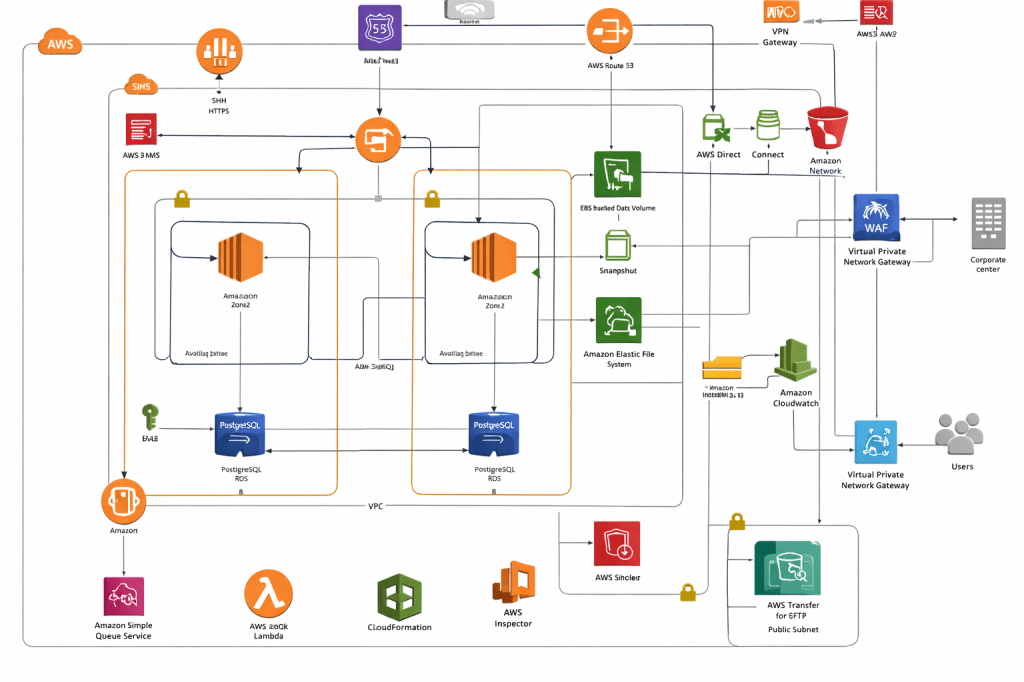
The Well-Architected Framework provides recommendations to help architects, developers, administrators, and other cloud practitioners design and operate a cloud topology that’s secure, efficient, resilient, high-performing, and cost-effective. The Well-Architected Framework is a structured and systematic approach for designing cloud architectures that are secure, reliable, efficient, and cost-effective. It provides a pillar approach based on AWS’s experience in the best architectural practices and experience with many clients.
construction Operational excellenceEfficiently deploy, operate, monitor, and manage your cloud workloads. Security, privacy, and compliance: Maximize the security of your data and workloads in the cloud, privacy design, and align with regulatory requirements and standards. Restore Reliability: Design and operate resilient and highly available workloads in the cloud. Payment Cost Optimization: Maximize the business value of your investment in Google Cloud.Speed Performance optimization: Design and tune your cloud resources for optimal performance.

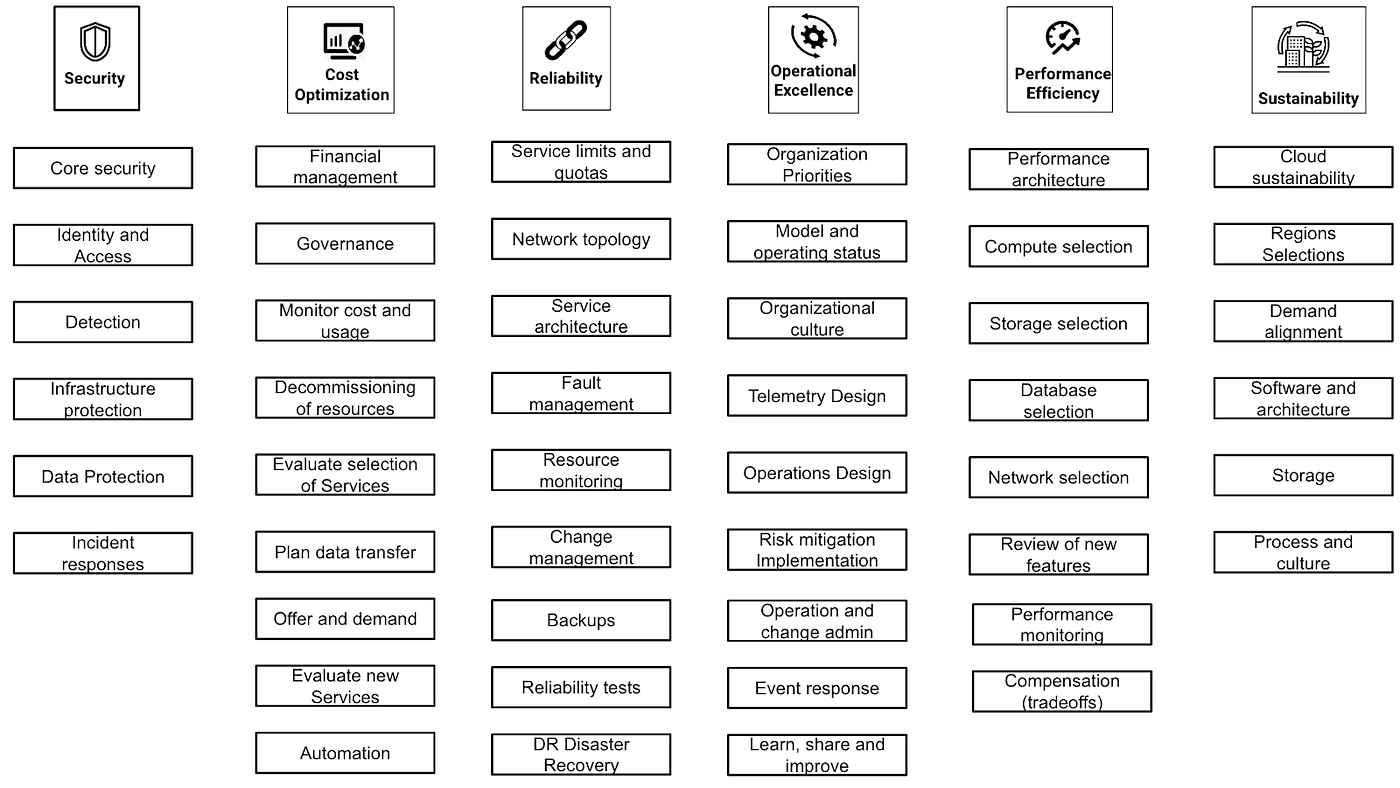
- The framework includes pillars representing fundamental categories, covering essential aspects to consider when designing an architecture.
- As a framework, it includes core design principles as guidelines for architecting solutions.
- Each pillar contains its design principles with corresponding guidelines.
- Each pillar has areas to segment practices or themes to address the questions.
- Finally, the respective questions for each area.
In the next diagram, you can see all the practice areas of each pillar so you can look faster for your architectural needs:
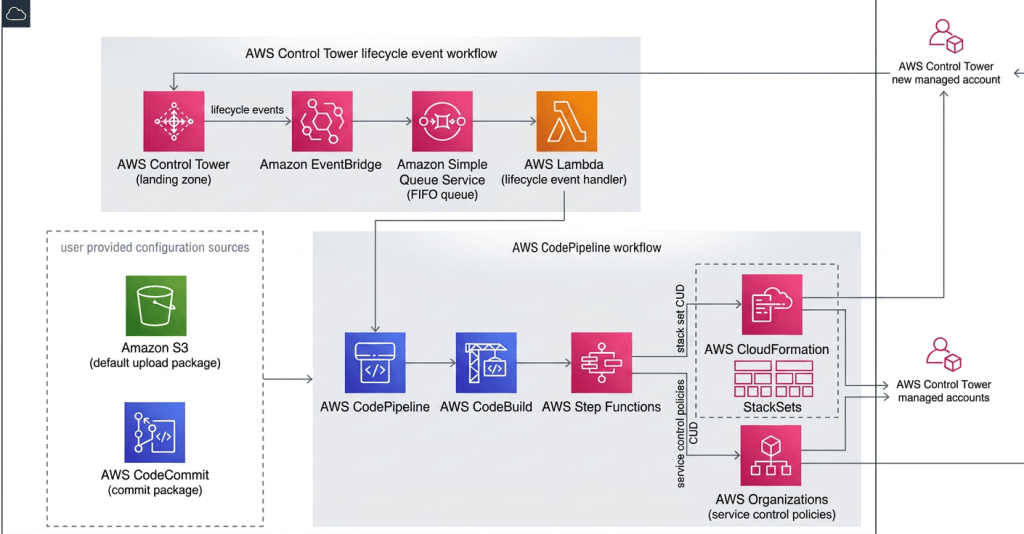
AWS Control Tower:
Increasingly, organizations are using AWS Control Tower to manage their multiple accounts as well as an external third-party identity source for their federation needs. Cloud architects who use these external identity sources needed an automated way to clear the unused maps created by AWS Control Tower landing zone as part of the launch.

 IT Infrastructure Project Management
Leave a comment